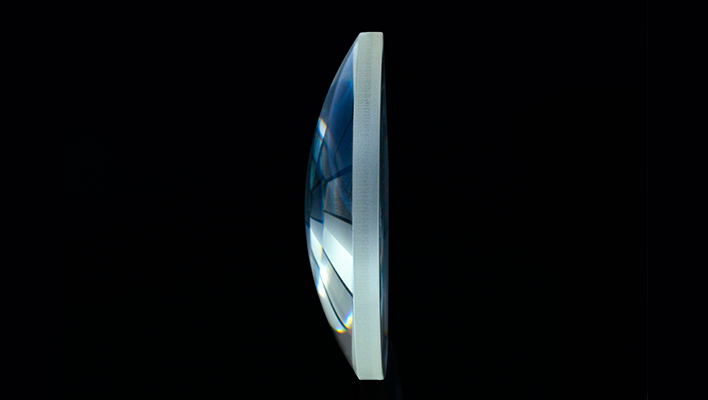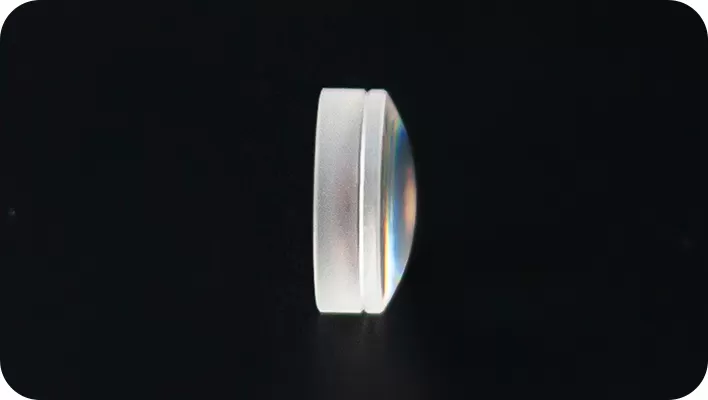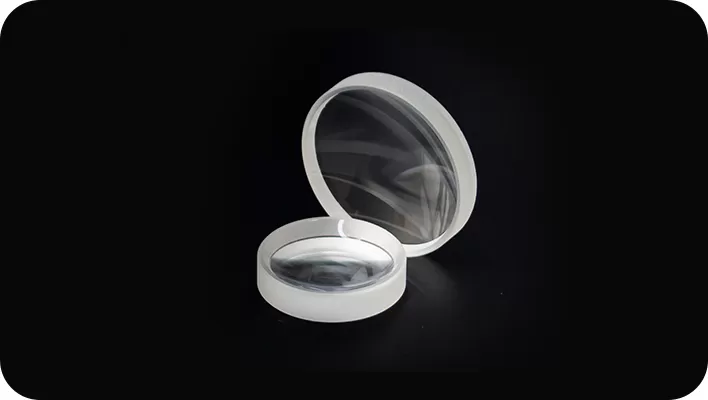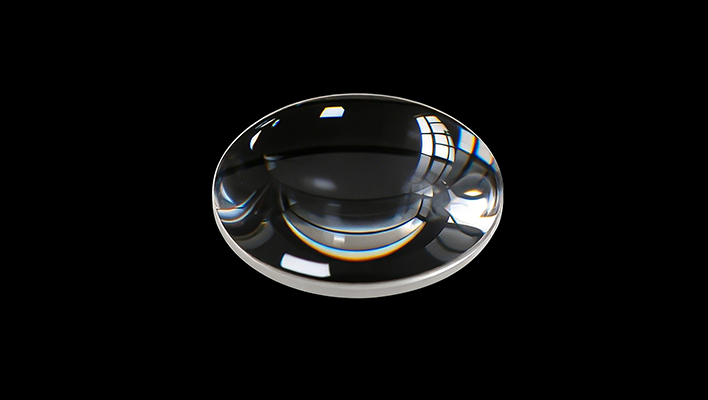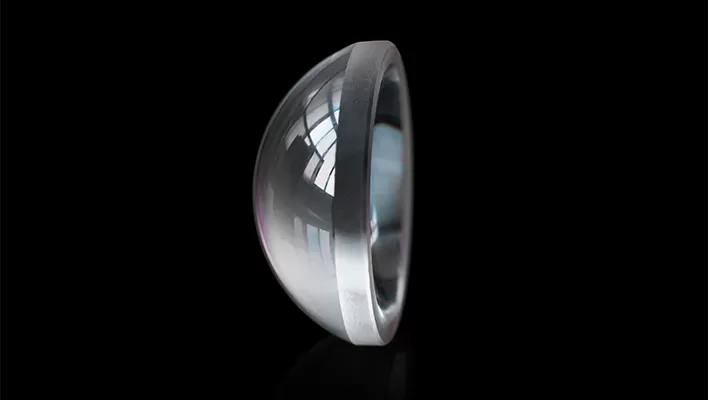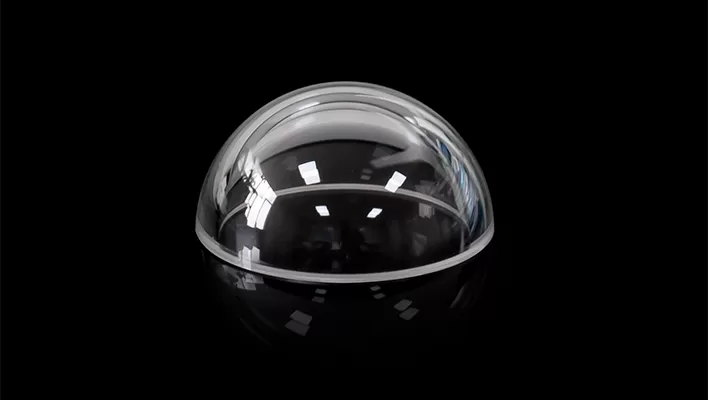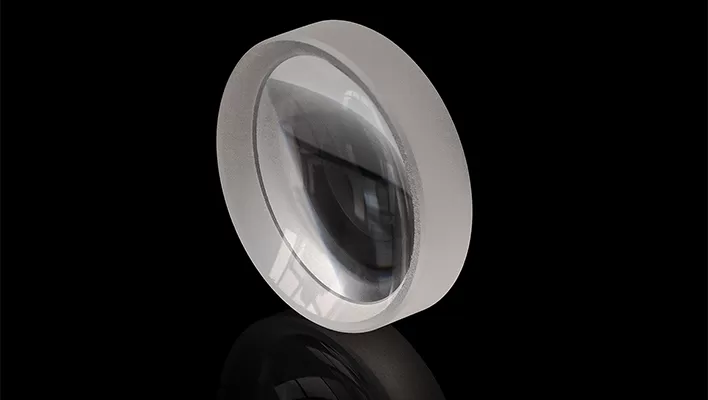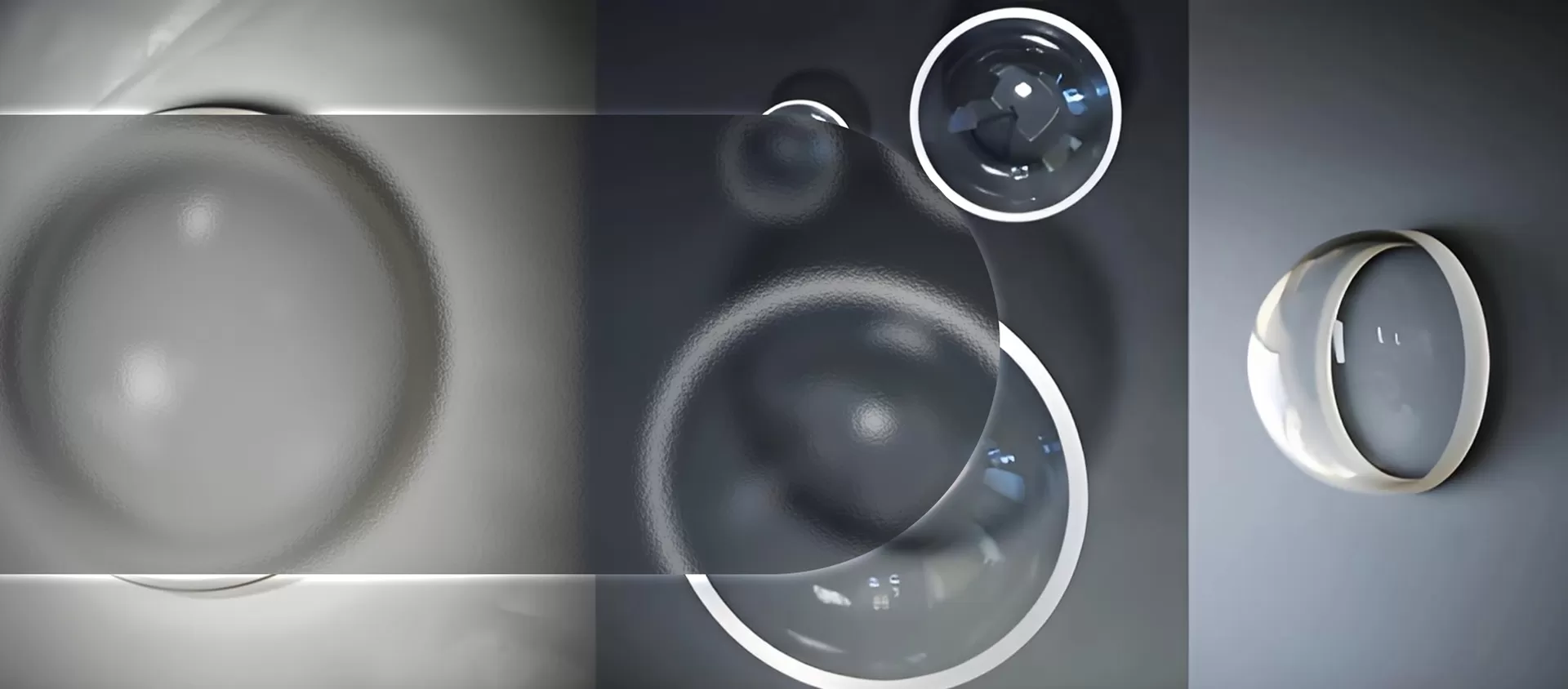

Our precision-engineered spherical lenses deliver uncompromising performance for advanced beam control, imaging, and illumination, empowering innovation across industrial and scientific frontiers.


Their symmetrical geometry enables high-volume manufacturing with reduced tooling complexity, offering significant cost advantages.

Benefit from standardized fabrication techniques that ensure consistent quality. Wide "off-the-shelf" availability accelerates prototyping.

The optimal choice for applications like beam collimation and basic imaging, balancing performance, reliability, and economy.
Quality Assessment of Spherical Lenses
Evaluating the quality of a spherical lens involves a comprehensive analysis of several critical parameters that directly impact its optical performance.
The primary metrics include:
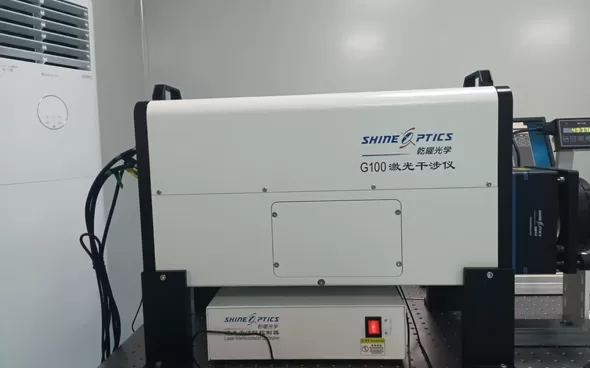
Achieving λ/4 accuracy measured by advanced interferometry to ensure flawless wavefront performance.
This defines the deviation of the lens surface from a perfect sphere, typically expressed in wavelengths (λ) of light (e.g., λ/4 at 632.8nm). It is measured with an interferometer and directly affects wavefront error.
Rigorous centration control to eliminate beam deviation and ensure optical axis alignment.
Verification of the correct optical glass type (refractive index, Abbe number) and internal quality (absence of bubbles, inclusions, and striae) is essential. Stress birefringence is also checked to ensure minimal internal strain.
For coated lenses, key metrics include spectral performance (reflectance/transmittance), adhesion strength, and environmental durability (e.g., humidity, abrasion resistance).