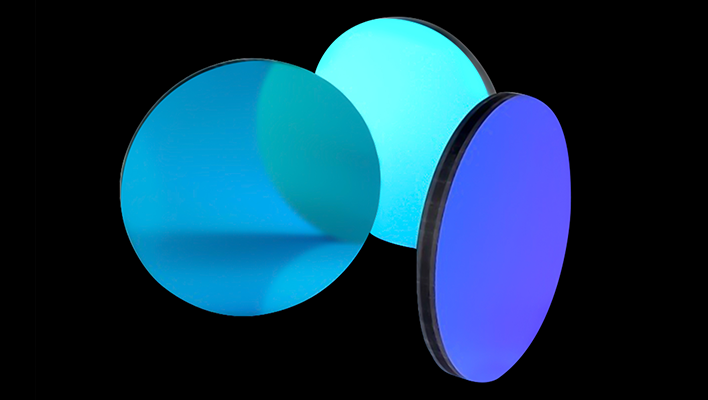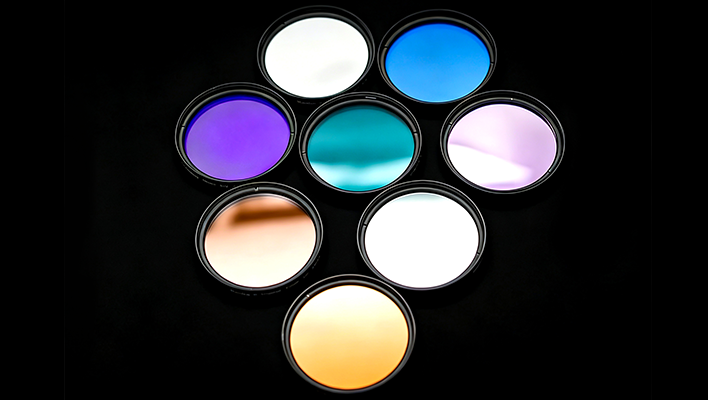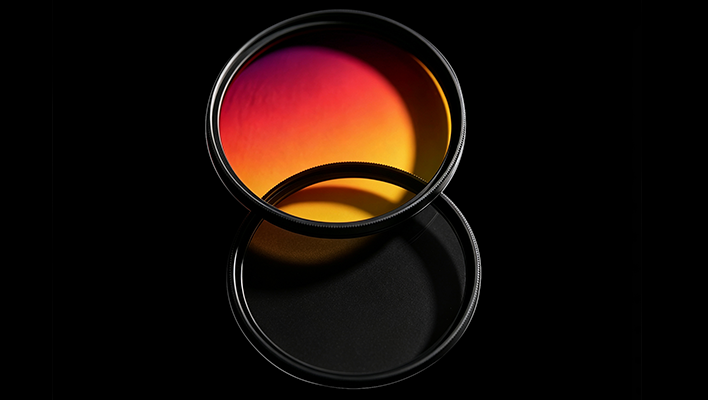

Optical filters are essential components used to selectively transmit or block specific wavelengths of light. At HanZhong HengPu, we provide a diverse range of high-performance filters, including bandpass, longpass, shortpass, and colored glass options. Engineered with advanced thin-film coatings or specialized absorption materials, our filters ensure precise spectral control, high transmission, and deep out-of-band rejection. They are critical for demanding applications in machine vision, medical diagnostics, and environmental monitoring.

Optical filters function through two primary physical mechanisms: interference and absorption. Interference filters utilize alternating layers of high and low refractive index thin-film coatings to manipulate light via constructive and destructive interference. This allows for the precise transmission of targeted wavelengths while reflecting unwanted spectral regions.
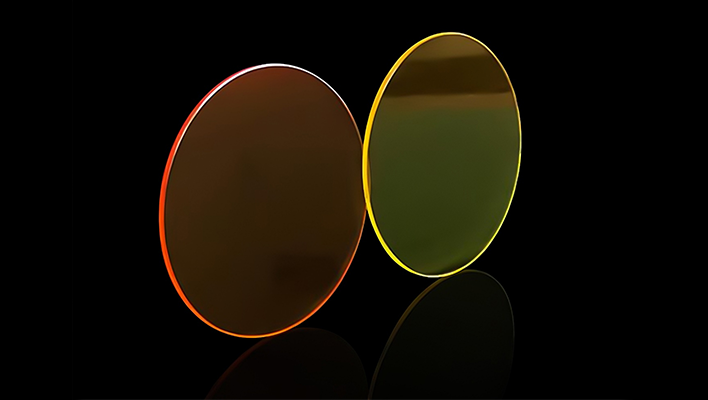
Alternatively, absorption filters, such as colored glass, incorporate specific dopants within the glass substrate to soak up targeted wavelengths. By carefully controlling coating thickness or material composition, these filters achieve critical performance metrics like steep transitions and deep out-of-band rejection, making them indispensable for precision imaging, spectroscopy, and sensing.

Spectrophotometer verification ensures precise center wavelengths and steep transitions.

Thermal and humidity testing guarantee stable performance in diverse environments.

High-density coatings provide excellent adhesion and long-term physical durability.
Determine the required center wavelength or cut-off for your application.
Specify the optical density (OD) needed to suppress unwanted spectral noise.
Consider operating temperature and humidity to ensure long-term filter performance.
Confirm diameter and thickness constraints for seamless integration into your housing.