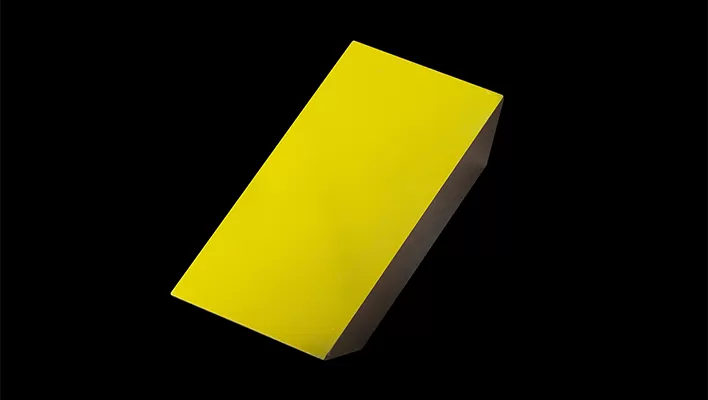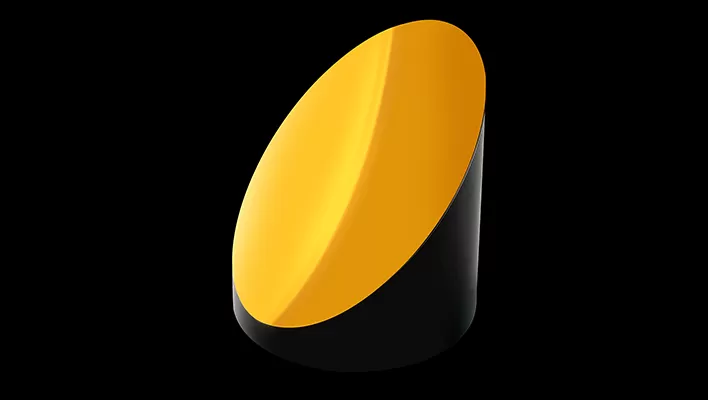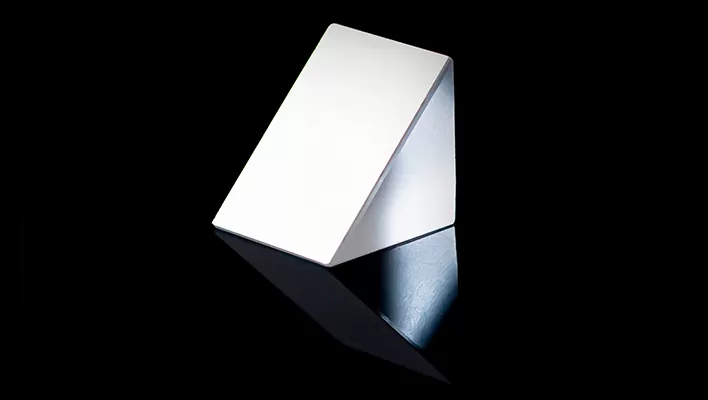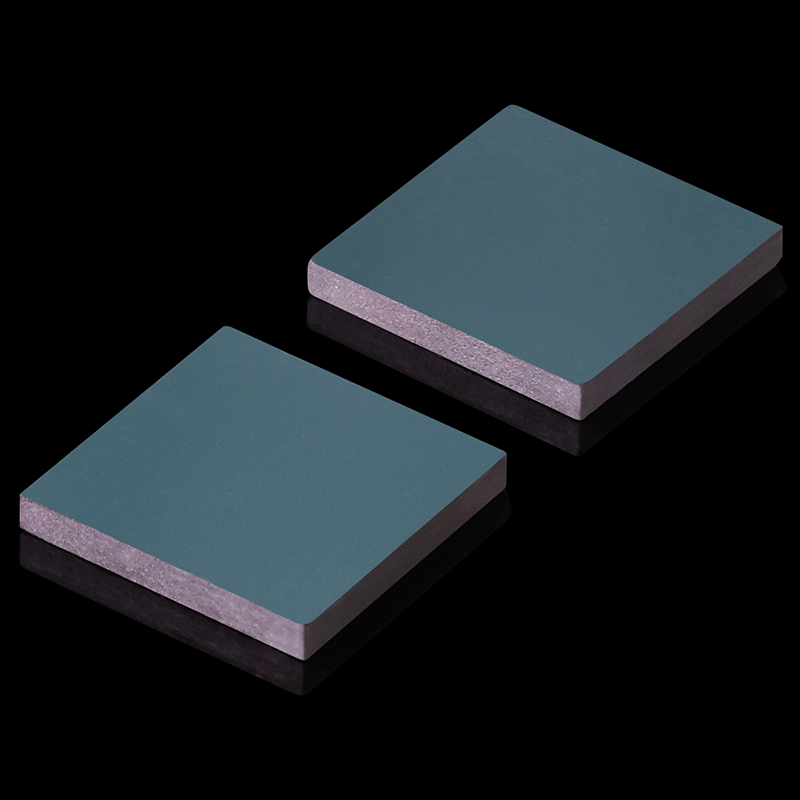
Designed for high-precision beam steering and image folding. These mirrors feature excellent surface flatness to prevent distortion and ensure clear, accurate reflections.

A flat mirror (or planar mirror) refers to a mirror with a flat reflective surface. Reflection is typically achieved by applying a reflective coating to the surface of the flat substrate. The reflective surface can be either the front surface or the rear surface. Everyday mirrors generally utilize the rear surface as the reflective layer, whereas mirrors used in critical technical applications mostly employ first-surface (front-surface) reflection. In optics, a flat mirror is the only optical element capable of forming a perfect image, as it does not alter the homocentric property of the light beam—after reflection by a flat mirror, a divergent homocentric beam remains divergent, and a convergent homocentric beam remains convergent.
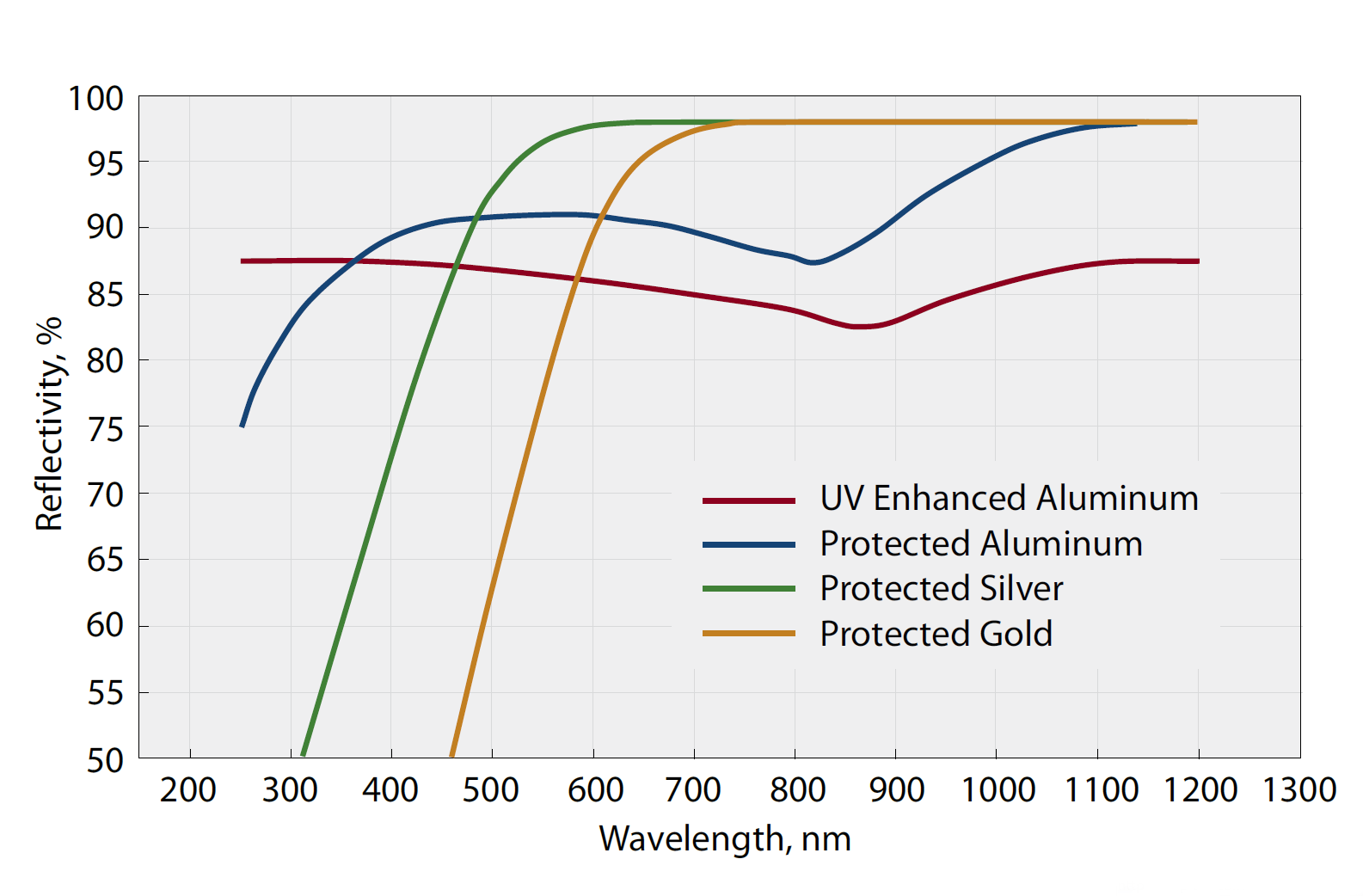
Hengpu also offers high-reflectivity coatings, including Aluminum, Gold, Silver, and UV-Enhanced Aluminum.
Protected Gold Coatings: Enhances reflectivity across the visible and infrared (IR) spectrums.
Protected Silver Coatings: Provides higher reflectivity than aluminum coatings in the visible and near-infrared (NIR) spectrums.
Protected Aluminum Coatings: Boosts reflectivity within the visible light range.
UV-Enhanced Aluminum Coatings: Delivers enhanced reflectivity in both the ultraviolet (UV) and visible spectrums.
| Material | K9, BK7, FS, UVFS, CaF₂, ZnSe |
| Diameter tolerance | ±0.05 mm |
| Angle error | <3 arc min |
| Surface accuracy | λ/4@ 633nm or λ/10@633nm |
| Surface quality(S/D) | 60/40 or 20/10 |
| Effective caliber | 90% |
| Edge reversal | <0.2*45° |
| Coating | Customized upon request |