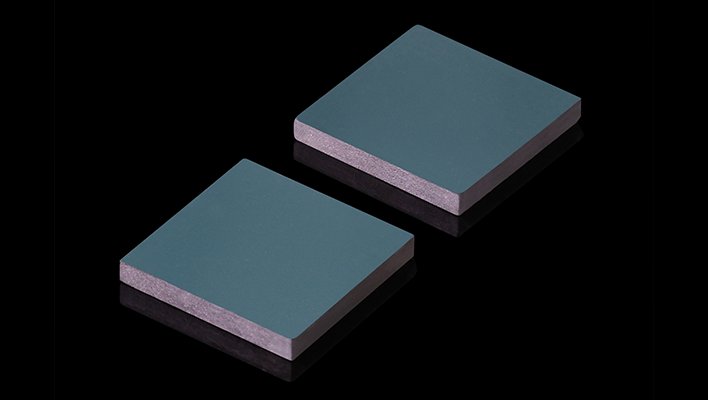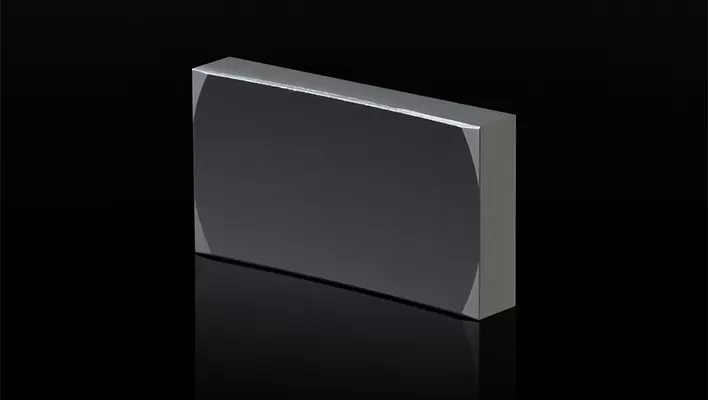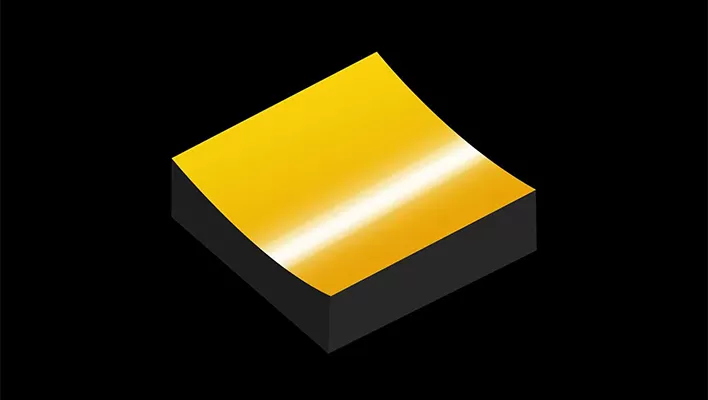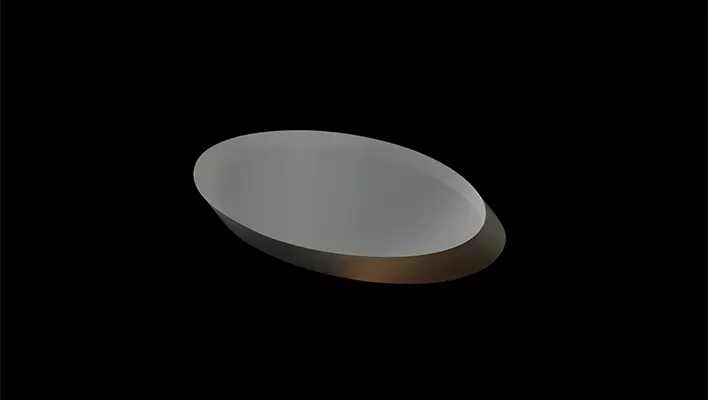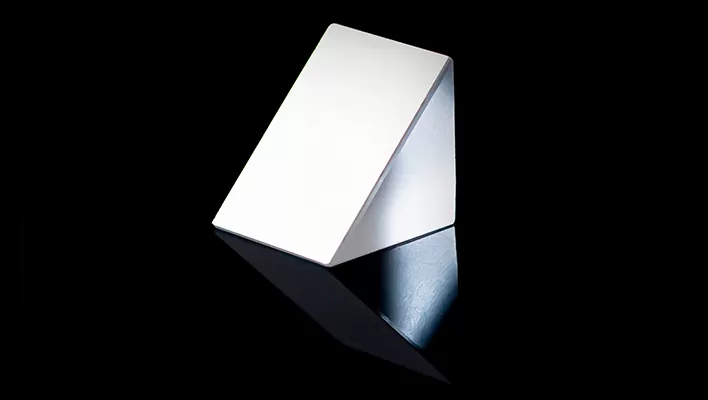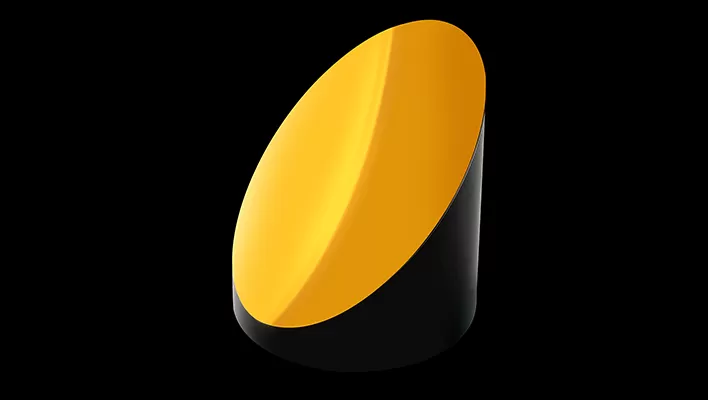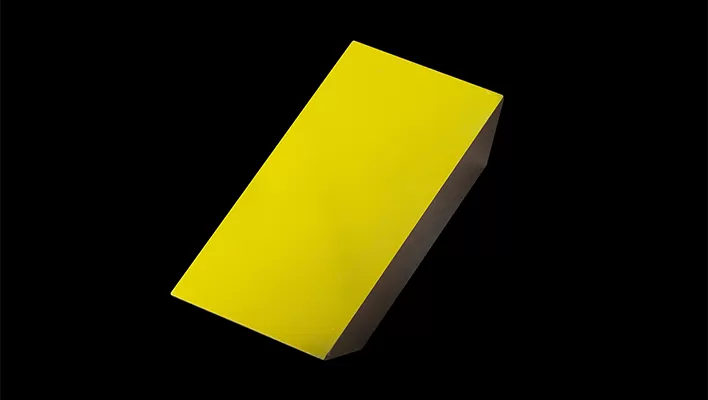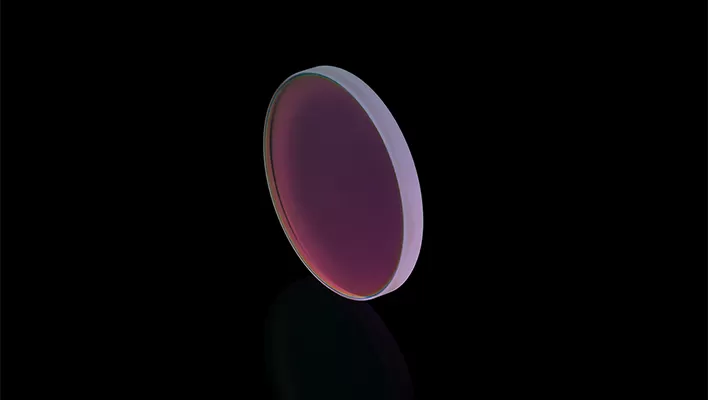

Optical mirrors are essential components designed to redirect, fold, or focus light paths within an optical system. At HanZhong HengPu, we provide high-precision mirrors featuring metallic or dielectric coatings on premium substrates like N-BK7 and Fused Silica. With exceptional surface flatness and high reflectivity, our mirrors minimize light loss and prevent image distortion. They are ideal for laser steering, imaging systems, and industrial sensing applications requiring long-term durability.

The core principle of optical mirrors is specular reflection, where light bounces off a highly polished surface. According to the Law of Reflection, the angle of incidence equals the angle of reflection, allowing for precise control over light paths.
To achieve maximum reflectivity, we apply specialized metallic coatings (like Aluminum or Gold) or dielectric coatings (multi-layer thin films) onto stable substrates. Metallic mirrors are excellent for broad-spectrum use, while dielectric mirrors provide superior efficiency for specific laser wavelengths. By manipulating surface curvature and coating types, mirrors can effectively redirect, fold, or focus light with minimal energy loss.

Blow off dust first using filtered air to prevent scratches.

Use lint-free swabs dampened with high-purity isopropyl alcohol or acetone.

Apply the drag-wipe method gently across the surface without scrubbing.
Choose metallic for a broad bandwidth or dielectric for high-power lasers.
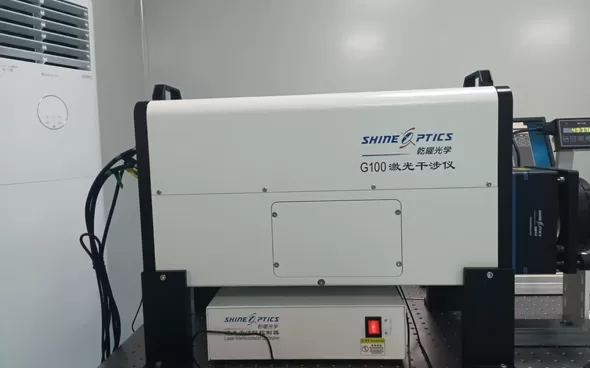
High flatness ensures clear images and prevents beam distortion.
Use N-BK7 for general use or Quartz for thermal stability.
Select flat mirrors for folding or curved mirrors for focusing.