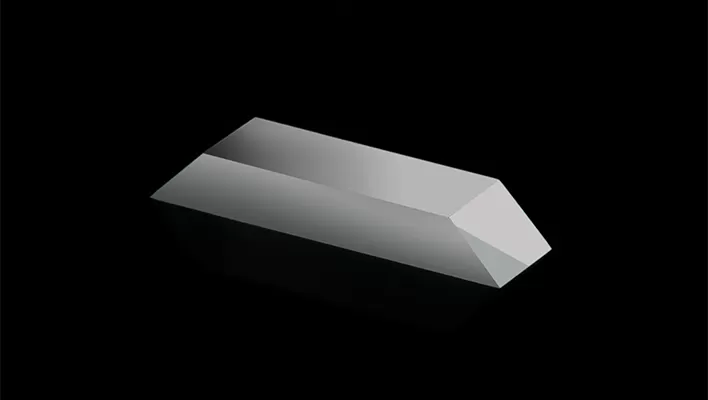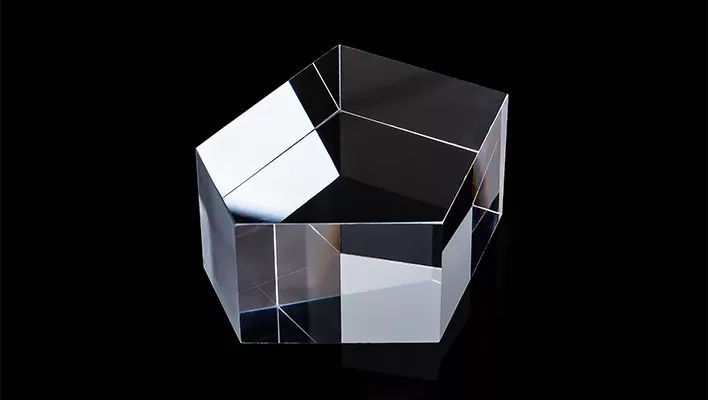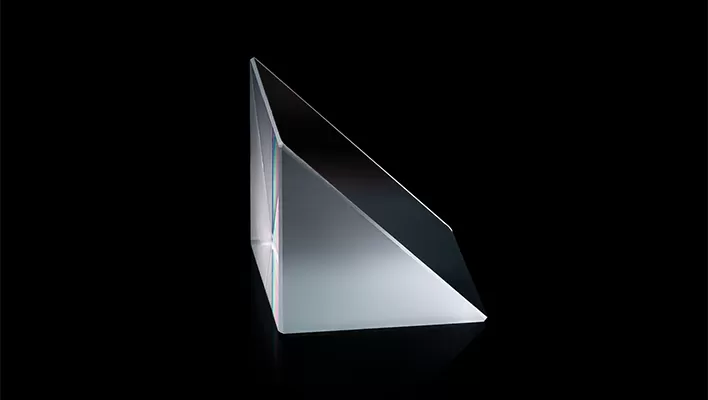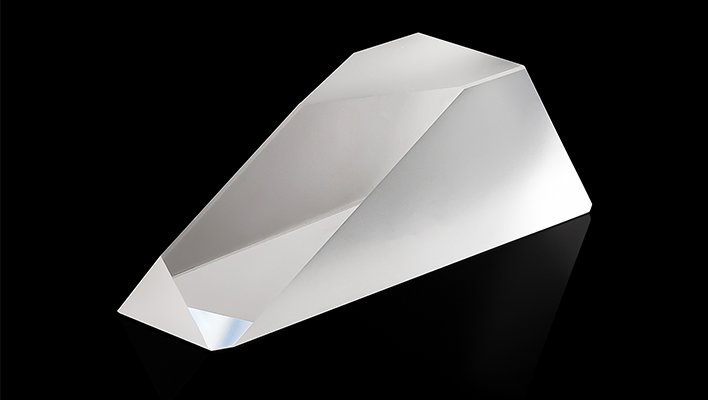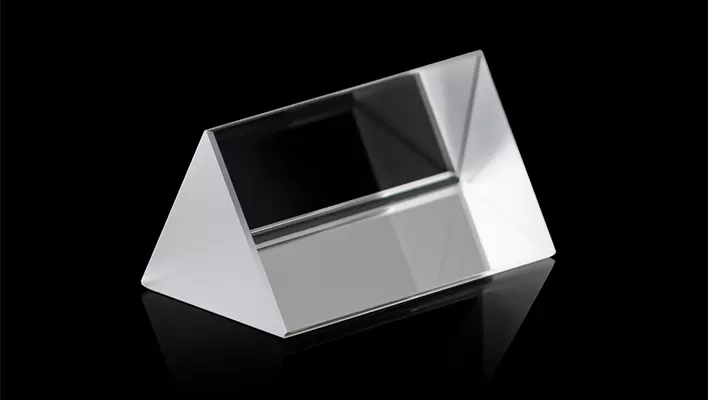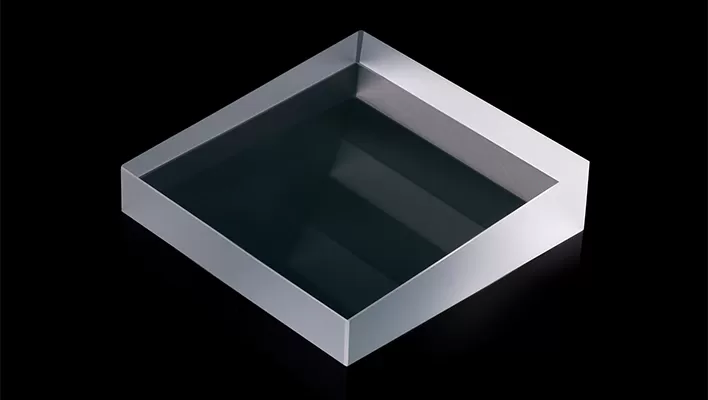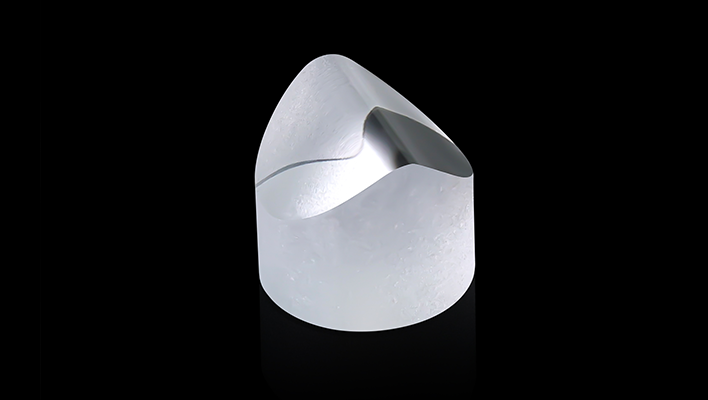

High-precision optical prisms are essential for controlling light paths through reflection, refraction, or dispersion. At HanZhong HengPu, we manufacture a variety of prism geometries with strict angular tolerances and high surface quality. Using premium substrates like N-BK7 and Fused Silica, our prisms ensure minimal wavefront distortion and high throughput. We provide reliable solutions for beam steering, image rotation, and spectral analysis in demanding industrial and laser applications.

The core principles of optical prisms are based on refraction and reflection. When light enters a glass substrate from the air, its velocity changes, causing it to bend at specific angles determined by the material's refractive index. Through precisely engineered geometries, prisms can manipulate light paths to achieve 90° or 180° deviation, image inversion, or rotation. While reflection prisms redirect light, dispersion prisms leverage material properties to separate white light into its spectral components. This precise control makes prisms vital for laser systems, medical imaging, and spectroscopy.

High-grade N-BK7 and Fused Silica ensure maximum light transmission.

Multi-layer AR coatings from UV to IR reduce reflection losses.

Enhanced metallic or dielectric coatings optimize beam reflection efficiency.